
How to Create Curved Garden Edges with Steel Edging
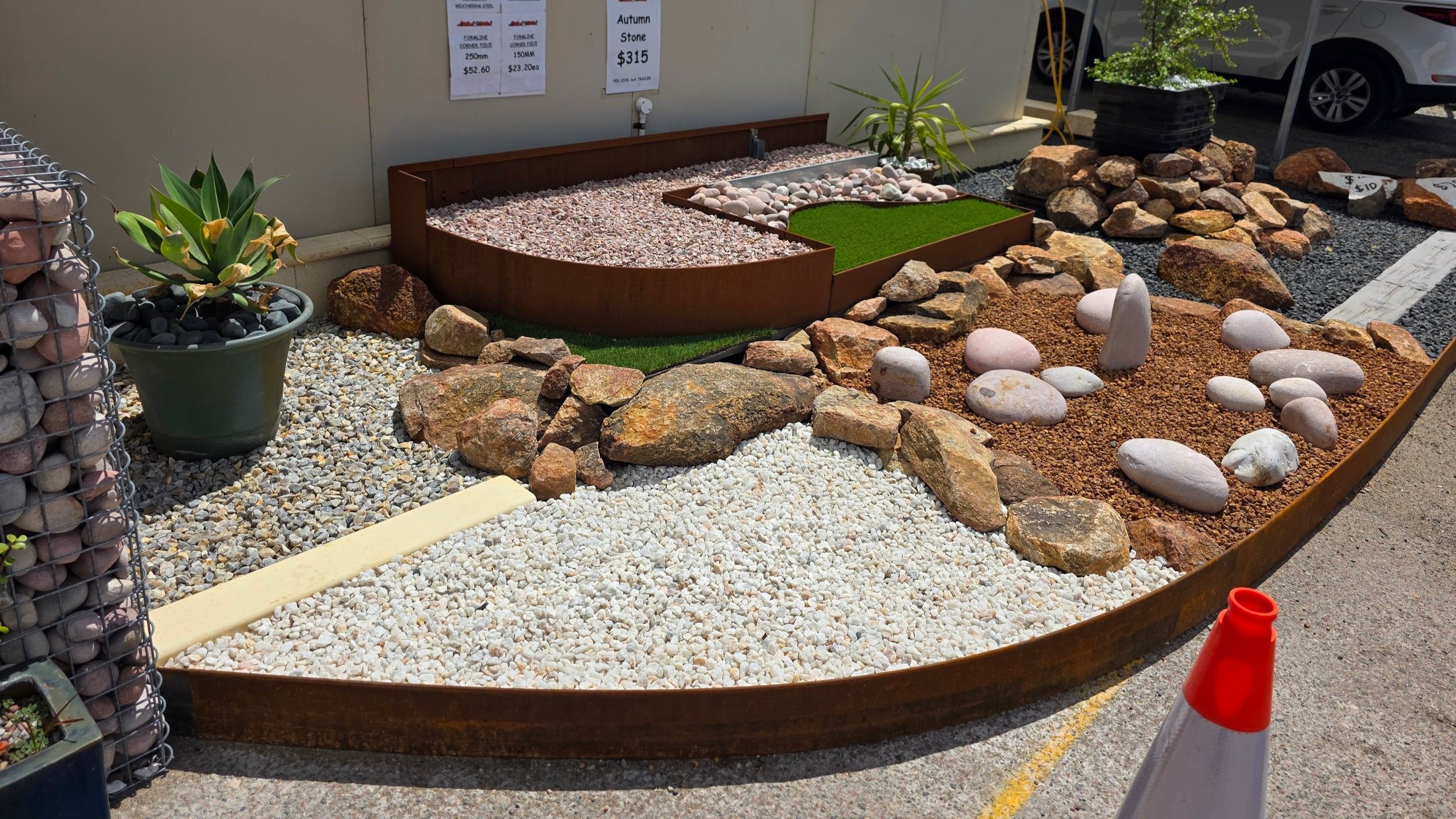
Curved garden borders can completely change the feel of a landscape. A sweeping lawn edge, curved pathway, or rounded garden bed can soften a space, help planting areas flow together, and make even a relatively simple garden feel more thought out. What you’re wanting to do is create curves without ending up with an uneven or wobbly edge.
Flexible steel garden edging is designed to make this easier. It gives you the strength and clean finish of steel while still being flexible enough to form smooth curves as you install it.
Why use curves in your garden design?
Curved garden edges can work particularly well when you want to create a more natural, flowing landscape.
They can be used to:
Create sweeping borders between lawns and garden beds
Follow existing paths, driveways, or landscape features
Form curved or circular planting areas
Create shapes around trees
Soften gardens that already have lots of straight architectural lines
A smooth, gradual curve generally looks much better than lots of small bends or irregular changes in direction.
Can steel garden edging be curved?
Yes – provided you choose edging designed to flex.
Formline’s Flexible Garden Edging range available from Wilatt is made specifically for where the edging needs to follow curves and changing garden layouts.
Rather than fabricating individual curved sections, the edging can be shaped during installation to follow the line of your garden.
This makes it particularly useful for landscaping projects where you want the durability and slim profile of steel without being restricted to straight lines.
How to plan a curved garden edge
Before installing your edging, spend some time getting the shape right.
One of the easiest methods is to lay a garden hose or length of rope on the ground and move it around until you're happy with the curve.
If the garden can be seen from the house, deck or driveway, check the shape from those viewpoints, too.
For larger curves, it can help to mark the final line using landscape marking paint before you start digging.
Keep your curves smooth
Try to avoid making lots of small adjustments along the edge. Instead, think in terms of longer, sweeping curves. These are generally easier to create with flexible steel edging and tend to produce a cleaner finished landscape.
If you're creating a circular garden or a particularly tight radius, check that your chosen edging can comfortably form the curve before installation. We can help you figure this out.
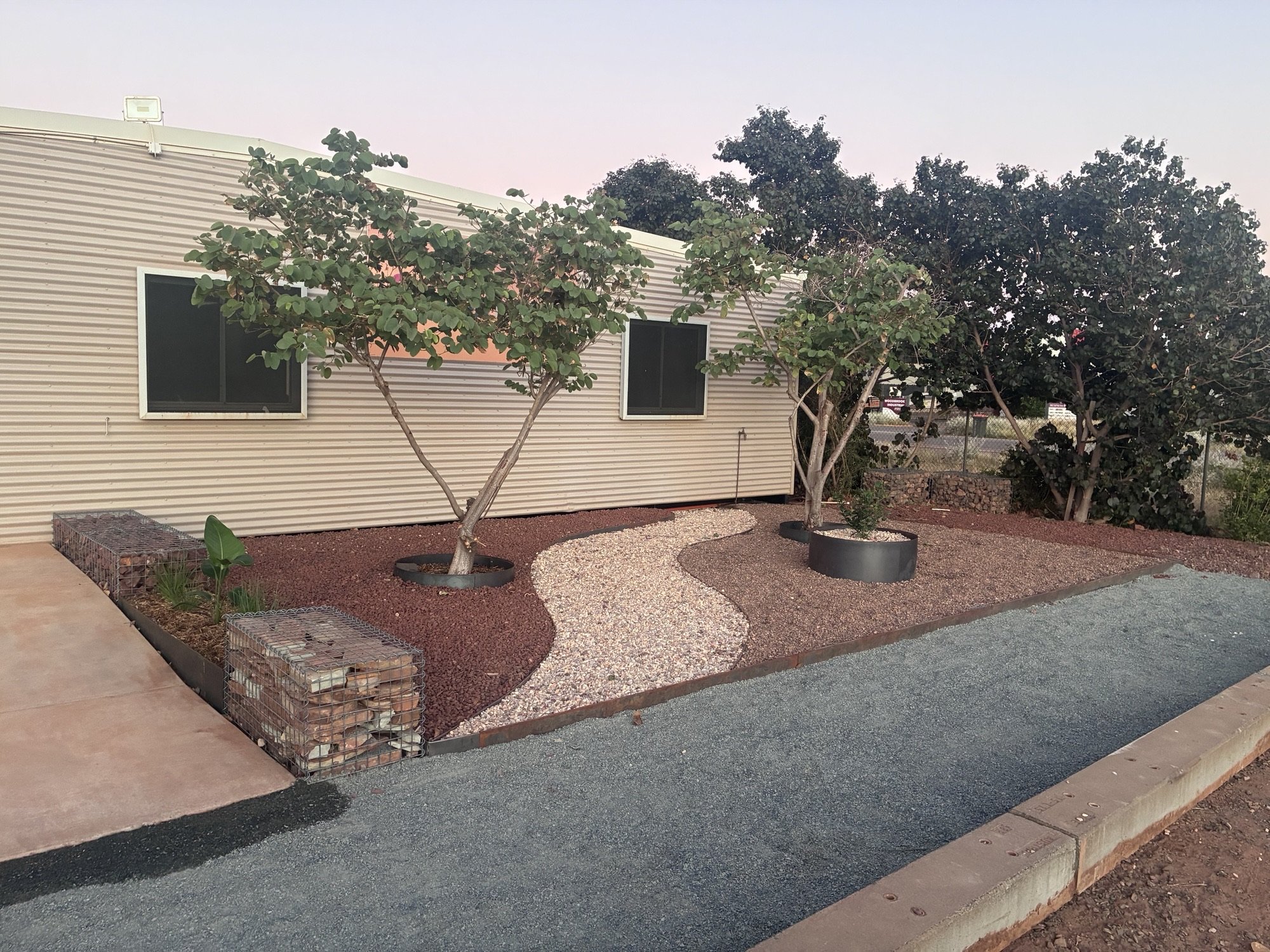
How to install flexible steel edging around a curve
Once you've marked out your garden edge, installation is pretty straightforward.
1. Prepare the edge
Remove grass, soil or other material along your marked line as required. Creating a clear installation line makes it much easier to position the edging accurately.
2. Position the steel edging
Lay your flexible edging along the prepared line. Don't try to force the entire curve into shape immediately. Work progressively along the length of the edging, gently forming it to follow your planned line.
3. Form the curve gradually
For sweeping curves, the steel can be shaped progressively as you work along the garden bed. Spreading the curve over a longer section of edging will create a smoother result.
4. Secure the edging
Once you're happy with the position and shape, secure the edging according to the installation instructions.
It's worth checking the curve again before everything is fully fixed in place. Small adjustments are much easier to make at this stage than once the surrounding lawn, soil, or aggregate has been reinstated.
5. Finish the surrounding area
Backfill around the edging and reinstate your lawn, garden soil, mulch, or aggregate. The result should be a defined edge that follows the landscape without visually dominating it.
What can flexible steel garden edging be used for?
Curved steel edging isn't limited to garden beds. Especially considering the range we offer goes from 75mm right through to 500mm. There are so many use cases; it’s really subject to your imagination.
It can be used to define:
Lawns
Mulched areas
Gravel pathways
Decorative stone
Trees and feature planting
Driveway borders
Landscape zones
You can also combine straight and curved sections within the same garden design, allowing the edging to follow the layout of the property rather than designing the garden around the limitations of the edging. Explore the Rigid Garden Edging range
Why choose steel instead of plastic edging for curves?
Plastic edging can certainly create curves, but steel offers a very different finished result.
Steel edging is strong, slim, and designed to create a crisp landscape line. Once installed, much of the edging can visually disappear into the garden, if preferred, leaving the separation between lawn, planting, and pathways as the main feature.
For homeowners and landscapers looking for a more permanent landscape finish, steel can also provide a robust alternative to lightweight edging materials. And with Formline’s Garden Edging range by Wilatt currently being offered in Corten (weathering steel), galvanised steel, and black powdercoat, there’s an option for every style.
Create your own curved garden edges
Starting with the right edging makes the job considerably easier. Wilatt's Flexible Garden Edging range is designed for creating clean, flowing landscape lines while giving you the strength and finish of steel.
Explore our Flexible Garden Edging range to find the right option for your project, or take a look at our Garden Edging Installation Guides before getting started.