
Corten Steel Farm Signs in New Zealand: What to Expect in the First 6 Months
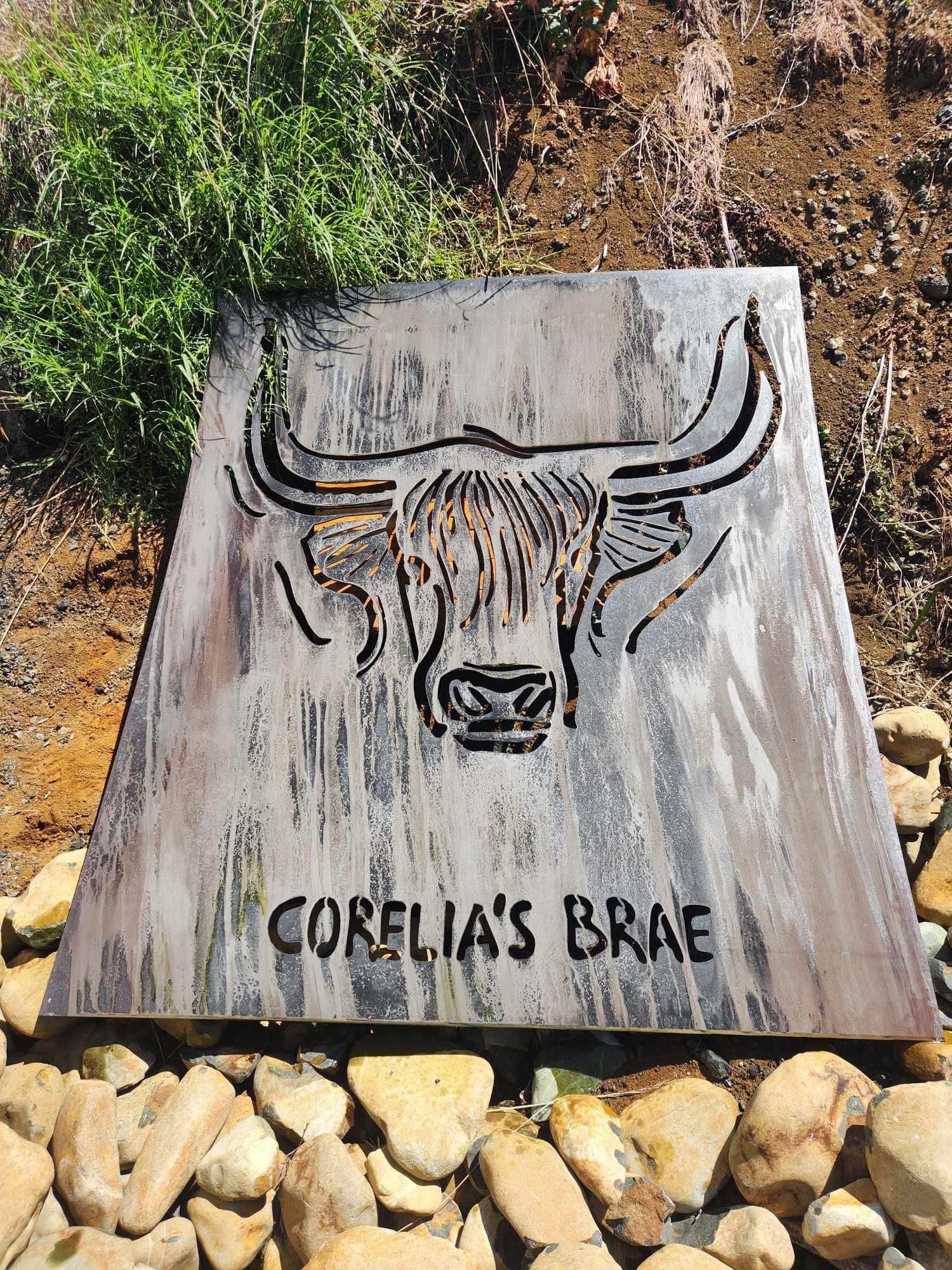
Corten steel farm signs have become one of the most popular choices for rural properties and lifestyle blocks across New Zealand. They’re bold, durable, and built to handle our conditions. But many property owners aren’t sure what happens after installation.
If you’re considering a custom corten steel farm sign in New Zealand, here’s what to expect in the first six months.
What Is Corten Steel?
Corten (weathering steel) is designed to rust, but in a controlled way.
Unlike mild steel, corten forms a stable outer layer of oxidation that protects the steel beneath it. This makes it ideal for:
Farm entrance signs
Rural property signage
Long driveways and exposed paddocks
Agricultural and rural business signage
It delivers a natural, established look that suits New Zealand’s rural landscape.
Months 1–2: The Fresh Rust Stage
When first installed, your corten steel sign will begin developing surface rust.
During this stage, you may notice:
Bright orange colouring
Slight patchiness as the steel reacts
Some runoff onto nearby concrete or light surfaces
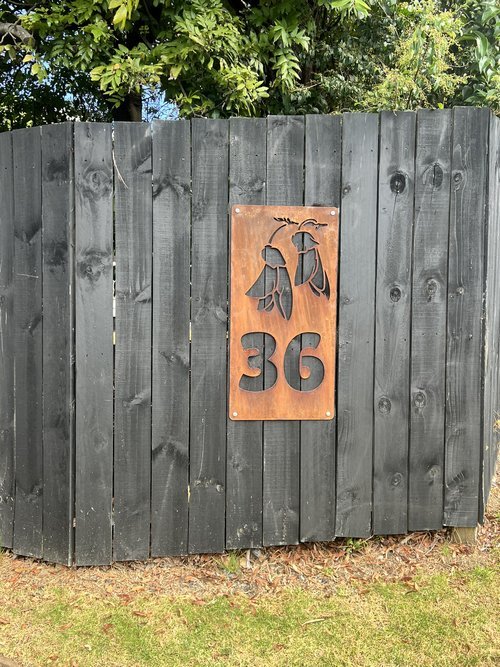
This is completely normal. The steel is forming its protective layer.
If your sign is being installed near concrete, timber, or paving, placement matters. In some cases, we can discuss base options or pre-weathering to minimise potential staining.
Months 3–6: Stabilisation and Rich Colour
Over the next few months:
The rust deepens to a rich brown tone
The surface becomes more even
Runoff reduces significantly
The protective layer stabilises
This is when corten steel signage really starts to look premium and permanent — especially in rural environments.
What Size Can a Farm Entrance Sign Be?
There’s no standard size for a custom farm sign.
We manufacture everything from smaller wall-mounted pieces through to large-scale entrance signs spanning 1.5–2 metres or more.
Size and thickness depend on:
Mounting style (wall, posts, frame, gate)
Wind exposure
Design complexity
Overall structural requirements
For larger entrance signs, a heavier plate is typically recommended to ensure rigidity and longevity.
What Affects the Price of a Custom Corten Farm Sign?
Because every project is custom-made, pricing varies depending on:
Overall dimensions
Design complexity (simple text vs detailed logos or layered elements)
Steel thickness
Mounting method
Additional fabrication
Finishing or sealing requirements
Some clients require a straightforward cut-and-collect sign. Others want full fabrication, finishing, and installation.
The best way to get an accurate estimate is to send through your approximate width and design idea — we’ll guide you from there.
Designed and Manufactured in South Auckland
All our custom corten steel farm signs are cut and fabricated in South Auckland.
Whether you’re after a simple rural entrance sign or a large feature sign for your property or agricultural business, we provide guidance from concept through to completion.
If you’re considering a custom corten steel farm sign in Auckland or anywhere in New Zealand, send us your approximate size and idea — and we’ll help you shape it into something built to last.
-
In the early stages of weathering, runoff can occur and may stain light-coloured surfaces. Proper placement, gravel bases, or design considerations can minimise this.
-
Initial rusting happens within weeks. Stabilisation typically occurs over 3–6 months, depending on environment and exposure.
-
Corten can be used in many environments, but coastal salt exposure can affect how the protective layer forms. If you’re near the coast, it’s worth discussing your specific location.
-
Yes. We can handle design, cutting, fabrication, and finishing. The design and approval stage typically takes 3–5 working days. We also love working with your designs and bringing your vision to life.
-
We can discuss mounting and fabrication options. Installation requirements vary depending on location and sign size.